Key takeaways
- Marianne spent 27 years at McDonald's, learning about business consistency.
- She emphasizes the importance of simplicity in business systems.
- Sticky systems are crucial for making other systems effective.
- Hiring the right people is essential for business success.
- Feedback should be constructive and aimed at improvement.
- Company culture is influenced by the values that are lived, not just stated.
- Investing in team development leads to better business outcomes.
- AI can assist in scaling but should not replace human input in processes.
- New entrepreneurs should capture their routine tasks early.
- A 'we and us' culture fosters better teamwork and productivity.
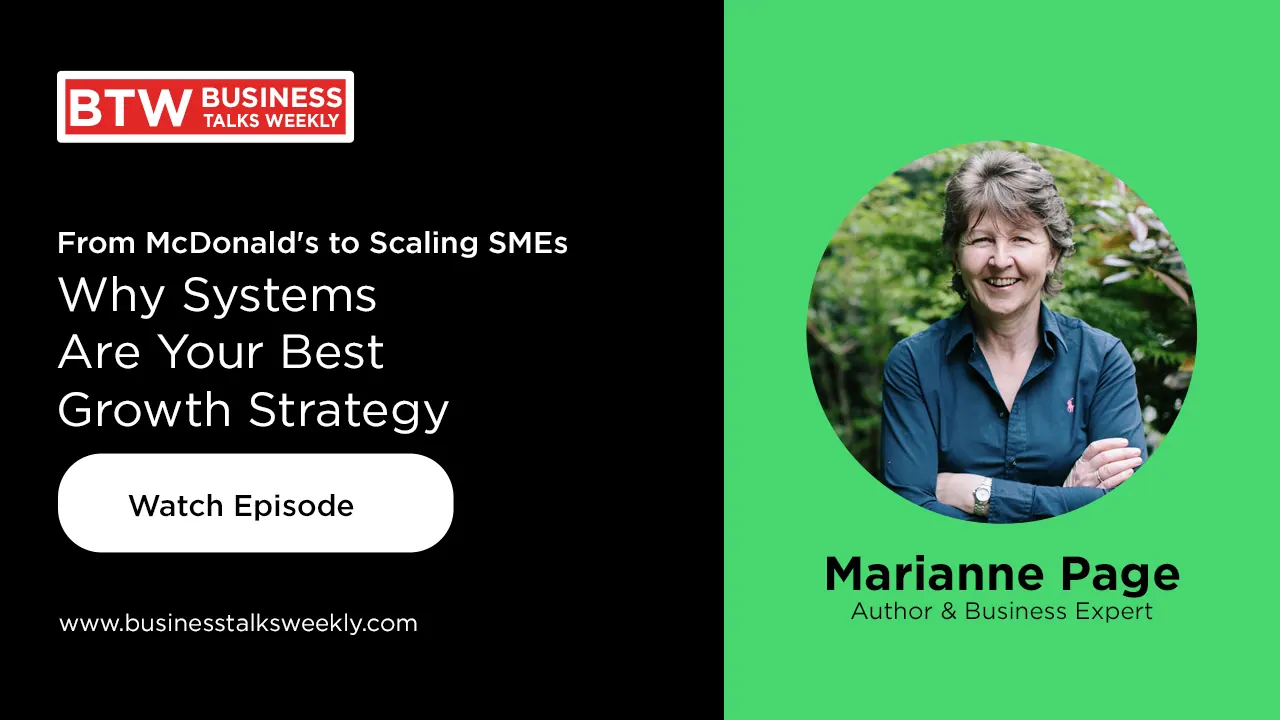
In this episode of PowerTalkShow, we sit with Marianne Page, a systems and operations consultant who spent 27 years at McDonald’s before founding her own business transformation practice. Marianne shares how her experience at one of the world’s most efficient companies shaped her thinking about process, scale, and leadership—and how she now helps small businesses develop “sticky systems” that make scaling easier and more human.
Learning from the Golden Arches
When Marianne Page joined McDonald’s, she never expected to stay for nearly three decades. But the “McDonald’s way” of doing business—systematic, scalable, and focused on people—resonated deeply with her. “Nobody talked about systems and processes,” she explains. “It was just the way things were done.”
This immersion became the foundation for her work today, helping SMEs replace chaos with consistency.
The Four S’s of Systems
Marianne introduces her framework of four essential system categories:
- Sexy Systems – Marketing & branding; what everyone loves to work on.
- Security Systems – Finance, legal, compliance; often outsourced.
- Service Systems – The operations backbone; the how-tos of delivery.
- Sticky Systems – Hiring, training, and feedback processes that make all the above “stick.”
“Sticky systems are the glue,” Marianne says. “They make everything else work.”
People Over Processes (But You Still Need Both)
One of Marianne’s key insights is that people don’t resist systems—they resist poorly implemented ones. She advocates for empowering employees to co-create “our way” of doing things through simple tools like video walkthroughs and team conversations, not endless documentation.
“Your best team member already knows the best way to do the job—capture it with a Loom video, not a 20-page SOP.”
Mindset Shifts for Founders
For new founders, she advises capturing recurring tasks early to avoid future confusion. For scaling businesses, the challenge is letting go and trusting well-trained teams to maintain consistency.
“If you had the chance to rehire your whole team, who would you keep? That tells you everything about your culture.”
She also challenges the language leaders use—urging teams to drop “staff” for “team” and eliminate jargon that distances people from process ownership.
Where AI Fits In
Marianne embraces technology—especially AI—but with caution. She warns against letting AI design your systems without input from your team. Instead, use AI to document, not define, your unique way of working.
“AI can help, but it shouldn’t lead your system design—your people should.”
More from the PowerTalk archive
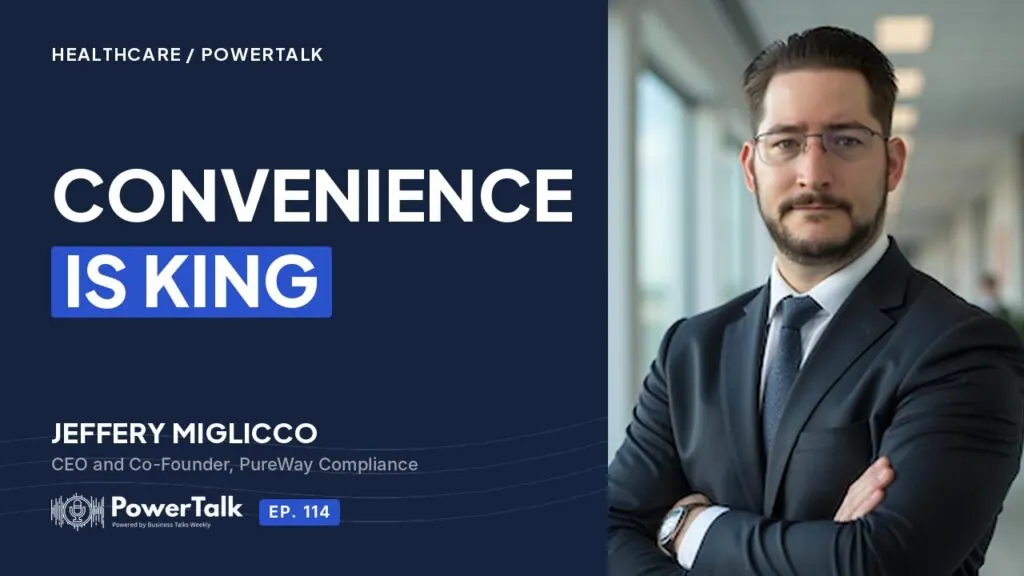
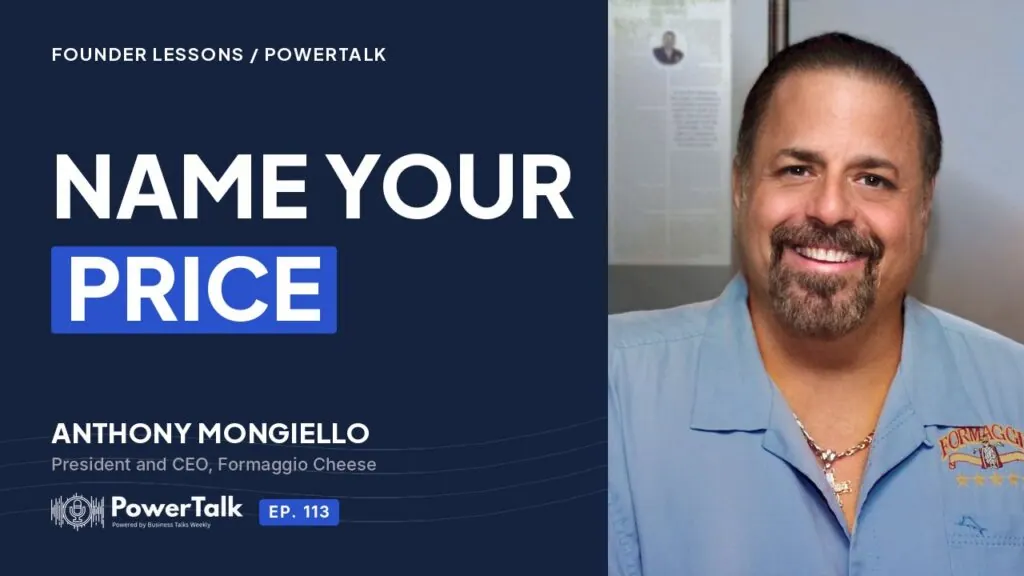
If this conversation was useful, two more episodes pick up related threads: Rashesh Doshi (Managing Director, Talent Corner) and Justin Dixon (Founder, Hire Tomorrow). For every episode on this theme, browse our leadership and scaling episodes.
In Marianne’s words
“It's all about keeping things simple.”
“Culture comes from values that are lived.”
“AI should not create your processes.”
Frequently asked questions
What are "sticky systems," according to Marianne Page?
Sticky systems are the hiring, training and feedback processes that make a company's other systems, marketing ("sexy systems"), finance and compliance ("security systems"), and operations ("service systems"), actually work. She calls them "the glue" holding everything together.
Do employees resist business systems, according to Marianne Page?
Not systems themselves — they resist poorly implemented ones. She advocates empowering teams to co-create "our way" of doing things through simple tools like a quick video walkthrough, rather than imposing a lengthy, top-down SOP document.
What should new founders do early to make future scaling easier?
Capture recurring tasks as they happen, rather than waiting until the business has grown and processes have become tangled and undocumented.
How does Marianne Page recommend using AI in systems design?
As a documentation tool, not a design tool — "AI can help, but it shouldn't lead your system design, your people should," since her best practices already come from the team members who know the job best.