Key takeaways
- Healthcare is a major expense for American businesses.
- Brokers often have conflicting financial interests with employers.
- Employers lack visibility into healthcare pricing and quality.
- Technology can help but may not address fundamental issues.
- Health Compass Consulting aims to serve as a fiduciary for employers.
- Awareness of the brokerage blind spot is crucial for employers.
- Leadership should be based on transparency and trust.
- Employers need expert advice to maximize benefits.
- The healthcare system is complex and often misaligned.
- Resilience and faith in oneself are key to overcoming challenges.
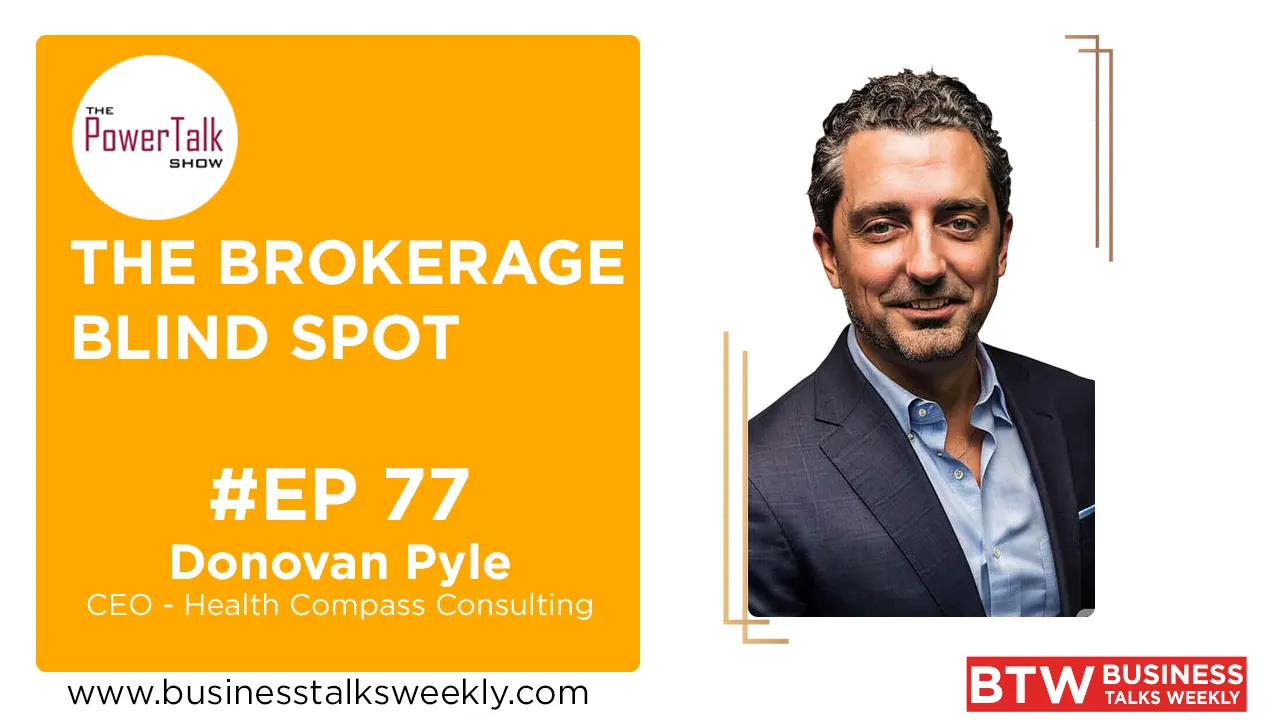
In a landscape where healthcare costs are frequently on the rise, how do businesses effectively manage their employee benefits? This crucial question was at the heart of an engaging conversation on The Power Talk Show with Donovan Pyle, the CEO of Health Compass Consulting and author of the eagerly anticipated book Fixing Healthcare. With a wealth of experience and a passion for advocating for more transparent and effective healthcare financing, Pyle guided listeners through the complexities of the healthcare market, illuminating the often-overlooked pitfalls employers face in managing their health plan expenditures.
The Genesis of Health Compass Consulting
Donovan’s journey into healthcare began somewhat naively, as he ventured into the insurance sector, initially from the carrier side. He quickly recognized a significant disconnect: brokers, who were supposed to advocate for employers, were too often aligned with the interests of health insurers. This led him to establish Health Compass Consulting, a consultancy focused on helping mid-sized businesses optimize their healthcare investments. “I started Health Compass because I saw the brokerage blind spot directly impacting employers and employees,” Donovan explained.
The Costly Blind Spot
Donovan identified a staggering $325 billion wasted annually due to what he calls the “brokerage blind spot.” In his view, the traditional brokerage model fosters an environment where brokers benefit from rising costs rather than working to find cost-effective solutions for their clients.
Key Insights from the Episode:
- Healthcare as a Major Expense: For most organizations, healthcare is the second largest expense after salaries, yet employers lack clear visibility into the quality and pricing of the services they purchase.
- Misaligned Incentives: Health insurers and their financial structures often incentivize brokers to recommend plans that are not in the best interest of the employer, creating what Donovan describes as an “inverse market” where higher costs lead to lower value.
The Role of Technology
While new technologies have emerged to support decision-making in healthcare purchasing, Donovan warns that without a shift in the underlying incentives, these tools may not yield the necessary efficiencies.
“You can throw technology at the problem, but if the motivations behind healthcare purchasing don’t change, the status quo will remain,” he noted.
Looking Forward: A Vision for Change
In the coming years, Donovan’s vision for Health Compass Consulting is clear: raise awareness about the flaws in the existing system and empower businesses to take control of their healthcare spend. He passionately believes that employers deserve unbiased advice that truly aligns with their financial interests.
Leadership Principles
Beyond the business insights, Donovan also shared his leadership philosophy, emphasizing transparency and truth. He believes that effective leadership is about doing the right thing, even when it’s challenging.
“Life becomes simpler when you tell the truth and act with integrity,” he stated, underscoring the importance of trust within teams and across customer relationships.
Final Thoughts
As our conversation concluded, Donovan left us with invaluable takeaways about resilience and the importance of believing in oneself through challenges. His stories and insights serve as a powerful reminder that understanding the intricacies of healthcare can fundamentally transform how businesses view and manage employee benefits.
More from the PowerTalk archive
If this conversation was useful, two more episodes pick up related threads: Donovan J. Ryckis (CEO, Ethos Benefits) and Jonne Välilä (CEO, Wealthrone Capital & Co-Founder, eBrands). For every episode on this theme, browse our fintech and finance episodes.
If you are interested to feature as a guest in The Power Talk Show and spread your product/service or brand across our audience, please reach out to us on press@businesstalksweekly.com
In Donovan’s words
“If plan A doesn't work, go with plan B.”
“You just gotta keep going.”
“Trust and believe the process.”
Frequently asked questions
What is the "brokerage blind spot" in healthcare?
A term coined by Donovan Pyle, CEO of Health Compass Consulting, describing how traditional insurance brokers can be financially incentivized in ways misaligned with employers' interests — benefiting when costs rise rather than finding genuinely cost-effective plans. He estimates this wastes $325 billion annually.
What does Health Compass Consulting do?
Health Compass Consulting, founded by Donovan Pyle, helps mid-sized businesses optimize their healthcare spending by acting as an unbiased advisor, rather than operating under the misaligned incentives common in traditional brokerage relationships.
Can technology alone fix rising healthcare costs, according to Donovan Pyle?
No — he argues that new purchasing-decision technology won't deliver real efficiencies unless the underlying financial incentives driving broker and insurer behavior also change.
What is Donovan Pyle's leadership philosophy?
That effective leadership comes down to transparency and truth-telling, even when it's difficult — he believes trust within teams and with customers is what makes everything else in a business simpler.